
Data Science vs Data Analyst: The Ultimate Career Comparison by TheCoreSystems
In today’s data-driven world, two career paths dominate the tech landscape: data science vs. data analyst. Both roles revolve around data, insights, and decision-making, yet they differ significantly in purpose, tools, and outcomes.

Whether you’re a student, a working professional, or a business leader, understanding these differences helps you make informed choices about learning, hiring, or career direction.
In this comprehensive guide by TheCoreSystems, a leading AI-driven software development and training company in Chandigarh, we’ll explore every angle of data science vs. data analysis—from skills and salaries to real-world applications and future opportunities.
Introduction to Data Careers
Every organization today depends on data to make smart business decisions. However, data alone doesn’t create value—people who interpret and act on it do. That’s where data scientists and data analysts come in.
While both work with data, the scope, complexity, and goal of their roles differ. Understanding the contrast between Data Science vs Data Analyst can help you align your learning path and career goals effectively.
What Is Data Science?
Data science is an interdisciplinary field that combines statistics, machine learning, programming, and domain expertise to extract insights and make predictions.

A data scientist doesn’t just interpret historical data—they build models and algorithms to forecast future trends.
In simple terms, data science = analysis + prediction + automation.
What Does a Data Scientist Do?
A data scientist designs and implements advanced models that predict outcomes, automate processes, and improve decision-making.
Key responsibilities include:
- Collecting and cleaning raw datasets
- Building predictive models using machine learning
- Performing data mining and pattern recognition
- Developing data-driven solutions and prototypes
- Communicating complex insights to non-technical stakeholders
At TheCoreSystems, data science professionals often work with AI, IoT, and Industrial IoT (IIoT) projects that bridge technology with industry applications in manufacturing, healthcare, and automation.
What Is Data Analytics?
Data analytics focuses on examining datasets to identify trends, summarize findings, and support immediate business decisions.
Unlike data science, analytics deals primarily with descriptive and diagnostic analysis—understanding what happened and why it happened.
What Does a Data Analyst Do?
A data analyst extracts, organizes, and interprets data to help businesses improve operations, marketing, and customer experiences.

Typical tasks include:
- Creating dashboards and reports
- Querying databases using SQL
- Performing statistical analysis
- Visualizing trends using tools like Power BI or Tableau
In short, analysts explain the past, while scientists predict the future.
Data Science vs Data Analyst: Quick Comparison Table
When comparing Data Science vs Data Analyst, the distinction lies in their objectives and approach to data. The key difference between Data Science vs Data Analyst is that data science focuses on predicting future outcomes through advanced machine learning and AI models, while data analytics is primarily about analyzing past performance using descriptive statistics. Professionals in Data Science vs Data Analyst roles use different tools and methods but share a common goal — to turn data into actionable business insights.
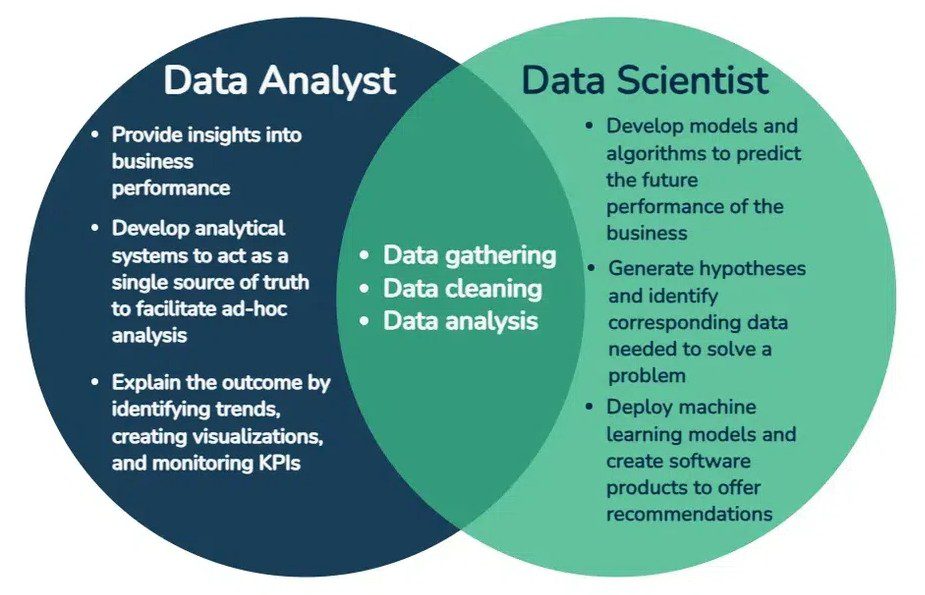
Data scientists rely on powerful tools such as Python, TensorFlow, R, and Apache Spark to build predictive systems and automate processes. In contrast, data analysts use Excel, Power BI, SQL, and Tableau to visualize insights and create data-driven reports that inform strategic decisions. The comparison of Data Science vs Data Analyst roles shows that both are essential for transforming data into value across industries.
The complexity level of these roles also differs. Data Science vs Data Analyst careers demand distinct skill sets — data science requires strong coding, modeling, and algorithmic expertise, making it ideal for AI and ML enthusiasts who enjoy technical problem-solving. Meanwhile, data analytics involves more interpretation and visualization, best suited for business and analytical thinkers. In India, data scientists earn between ₹10–22 LPA, while data analysts earn around ₹6–12 LPA, reflecting the broader technical scope and specialization that set Data Science vs Data Analyst careers apart.
Core Skills Comparison
Data Science vs Data Analyst professionals use different technical and analytical abilities to achieve their goals.
Data Scientist Skills:
- Programming (Python, R)
- Machine Learning & Deep Learning
- Data Wrangling & Feature Engineering
- Statistical Modeling
- Big Data Tools (Hadoop, Spark)
- Cloud Platforms (AWS, Azure)
Data Analyst Skills:
- Excel and SQL Proficiency
- Data Cleaning and Visualization
- Statistical Analysis
- Business Intelligence Tools
- Communication & Reporting
Tools and Technologies Used
The choice of tools defines the workflow in Data Science vs Data Analyst roles.
Data Science Tools:
Python, TensorFlow, PyTorch, Scikit-learn, Apache Spark
Data Analytics Tools:
Excel, Power BI, Tableau, Google Analytics
At TheCoreSystems, trainees gain hands-on experience in both Data Science vs Data Analyst categories through real-time AI-driven projects, preparing them for actual industry challenges.
Educational Path and Certifications

When it comes to education, the Data Science vs Data Analyst career path differs significantly. A Data Scientist typically pursues a B.Tech or M.Tech in Computer Science, Artificial Intelligence, or Data Science, along with certifications in Machine Learning, AI, and Big Data to strengthen technical expertise. On the other hand, a Data Analyst often comes from a BCA, BBA, or MBA background, complemented by certifications in Data Analytics and Business Intelligence (BI) tools to enhance analytical and visualization skills.
TheCoreSystems offers industry-grade training programs in both domains, helping learners master Data Science vs Data Analyst skills through live projects and expert-led mentoring.
Salary and Job Market Trends (2025)
According to Glassdoor and LinkedIn 2025 insights:
- Average Data Scientist Salary in India: ₹12–22 LPA
- Average Data Analyst Salary in India: ₹6–12 LPA
- Demand for both roles has grown by 35% YoY due to digital transformation and AI adoption.
Industries Hiring Data Professionals
Top industries hiring data scientists and analysts include:
- Healthcare & Pharmaceuticals
- Banking & FinTech
- Retail & E-commerce
- Manufacturing (IoT & Industrial Automation)
- Energy & Sustainability
TheCoreSystems partners with multiple industrial clients in Chandigarh and nearby regions, delivering real-world AI and data-driven solutions.
Real-World Use Cases
Across industries, the difference between data science and data analyst roles becomes clear through their responsibilities. In the healthcare sector, data scientists use machine learning models to predict disease risks and improve patient outcomes, while data analysts focus on reviewing patient history reports to identify medical trends. In retail, data scientists forecast future demand trends and optimize inventory, whereas data analysts monitor product sales to understand customer preferences and buying patterns.
In manufacturing, data scientists design AI-driven predictive maintenance systems that help prevent equipment failure, while data analysts track production metrics to ensure operational efficiency. Similarly, in finance, data scientists develop sophisticated fraud detection models, and data analysts create detailed transaction reports to uncover patterns and ensure compliance. Together, both roles complement each other—turning raw data into actionable insights that drive smarter business decisions.
Data Science vs Data Analyst: Which Career Is Right for You?
If you enjoy mathematics, programming, and experimentation, go for Data Science.
If you prefer business insights, visualization, and decision-making, Data Analytics may suit you better.
Both paths can lead to leadership roles in AI and data strategy, especially when trained at institutions like TheCoreSystems.
Learning at TheCoreSystems
At TheCoreSystems, students and industry professionals learn from AI experts through live, project-based training in:
- AI and Data Science
- Full Stack Web Development (MERN & Python)
- Embedded Systems and IoT
- Cyber Security and Cloud Computing
Their labs simulate real corporate environments, bridging the gap between academic learning and industrial deployment.
Emerging Trends in AI, IoT, and Data Science
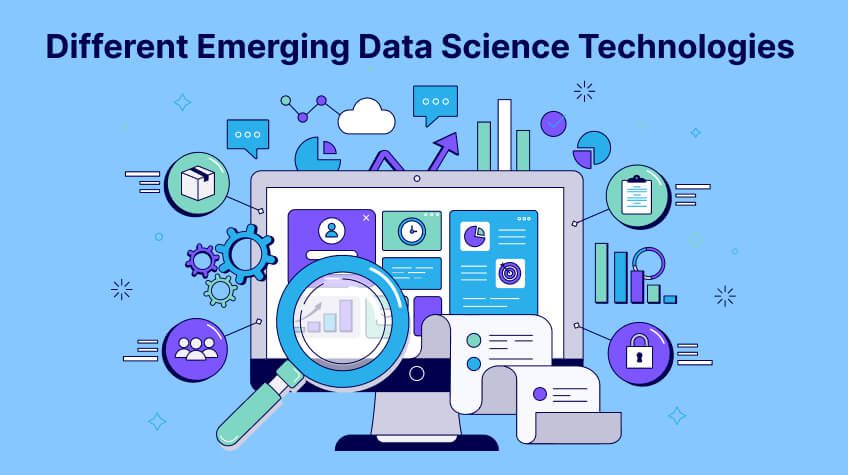
- Integration of AI with IoT (AIoT)
- Edge Computing for faster insights
- Responsible and ethical AI models
- Use of LLMs (Large Language Models) for automation
- Increased focus on data privacy and governance
The Future of Data-Driven Careers
By 2030, data science and analytics will be among the top five most in-demand skills globally (source: World Economic Forum).
Companies will need professionals who can not only analyze data but also develop intelligent systems—a key skill focus at TheCoreSystems.
Key Takeaways
- Data Science vs Data Analyst roles differ in purpose, tools, and scope.
- Data scientists build predictive models, while analysts interpret trends.
- Both careers offer strong growth, high salaries, and cross-industry demand.
- Continuous learning with AI and cloud technologies ensures career longevity.
FAQs on Data Science vs Data Analyst
What is the main difference between Data Science vs Data Analyst?
Can a data analyst become a data scientist?
Which has a higher salary?
What are the best tools to learn for these roles?
Is coding necessary for Data Analytics?
Which career is better for beginners?
Does TheCoreSystems offer placement support?
Conclusion
In summary, the debate between data science vs. data analysis isn’t about which is better, but which aligns best with your skills and goals. Data science focuses on building predictive models and using advanced AI techniques to forecast future outcomes, while data analytics emphasizes understanding past data to make informed business decisions. Both careers are in high demand across industries and offer excellent growth, stability, and earning potential.
For students and professionals eager to master these fields, TheCoreSystems provides advanced, hands-on training in AI, data science, IoT, and data analytics, empowering learners to become industry-ready experts. Whether you aspire to be a data scientist or a data analyst, choosing the right learning path today can shape a successful and future-proof career in the world of data.