
“`html
Embedded Systems Course in Chandigarh: Master Hardware & Firmware in 2026
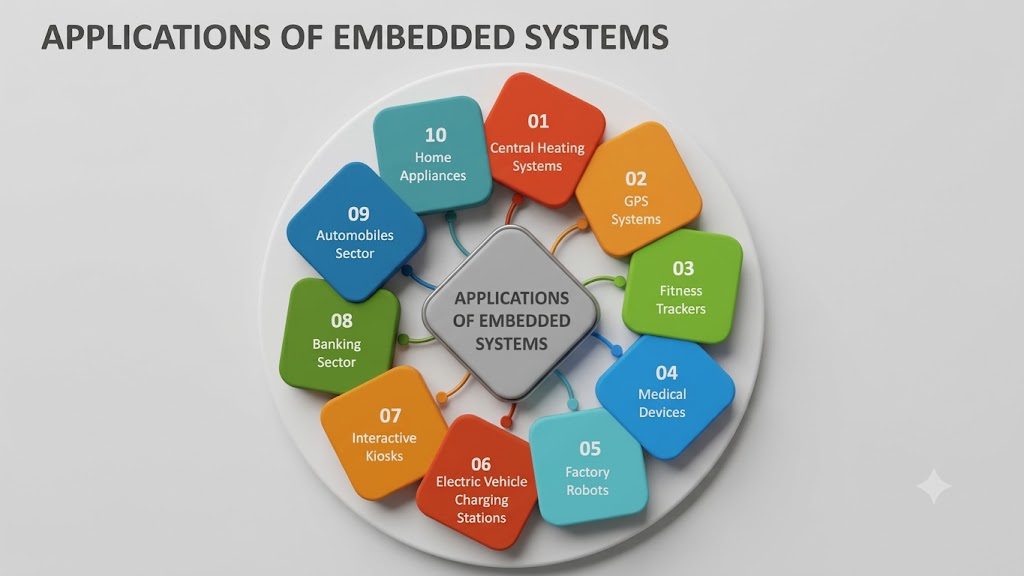
Smart electronics power our everyday world. They control kitchen appliances, electric vehicles, and medical tools. An embedded systems course in Chandigarh helps you master microcontrollers and wireless tech. You will also learn real-time firmware development. Build top hardware skills and launch your tech career in 2026.
Our course offers hands-on bench training. You will learn low-level Embedded C and microcontroller setup. You will also practice Python programming on single-board computers and full Internet of Things (IoT) systems. Top institutes like The Core Systems offer real hardware kits and busy lab spaces. Plus, we give 94% placement support to students and working engineers.
Why Join an Embedded Systems Course in Chandigarh Today?
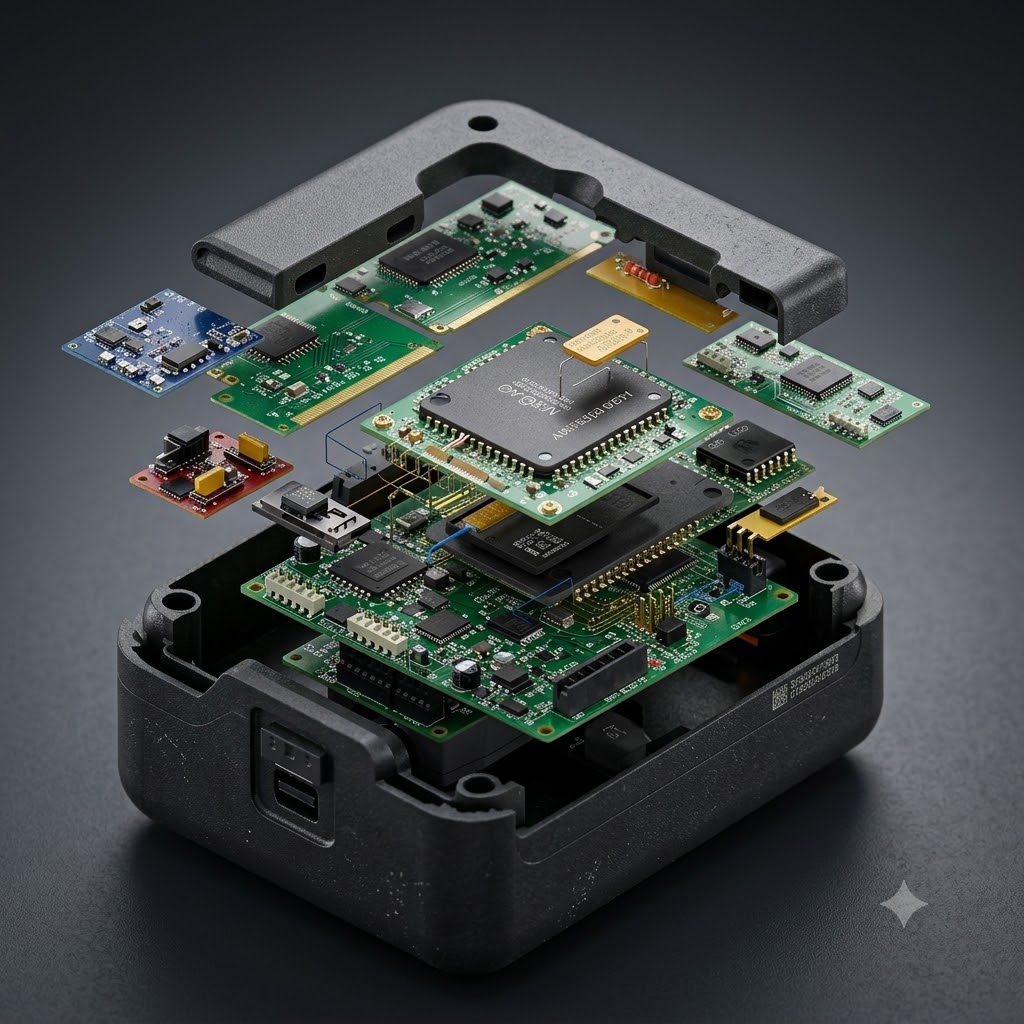
Modern electronics need fast, reliable firmware. This software talks directly to sensors and motors. An embedded system acts as the dedicated brain inside wearables and factory lines.
An embedded systems course in Chandigarh links you to a booming tech hub. This region spans Mohali, Chandigarh, Punjab, and Haryana. Local hardware firms actively recruit skilled engineers. They want people who can design circuits, write clean Embedded C, and build wireless IoT devices.

Smart device manufacturing is growing fast. Companies need engineers who know bare-metal chips. They also need talent for connected edge processors.
The Core Systems Advantage for Hardware Engineers
The Core Systems leads technical training in North India. We specialize in Embedded Systems, IoT, Industrial Automation, and Edge AI.
Our trainers build real commercial systems in the tri-city area. We skip boring lecture slides. Instead, you use live boards, power supplies, oscilloscopes, and logic analyzers:
- Physical Circuit Construction: Build breadboard prototypes. Connect digital and analog sensors easily.
- Firmware Development: Write bare-metal drivers and set registers. Fix bugs fast with hardware debuggers.
- Full-Stack IoT Integration: Connect small microcontrollers to edge gateways and cloud dashboards.
Key Takeaway: Real bench practice builds true confidence. Students learn three times faster when writing code for real chips instead of simulators.
What You Learn in Our Embedded Systems & IoT Curriculum
Our step-by-step course guides you from basic circuits to advanced connected firmware:
1. Embedded C & Core Firmware Architecture
Master low-level coding for microchips. You will learn bitwise operations, pointers, and register mapping. We also teach interrupt routines and hardware timers without using heavy libraries.
2. Multi-Family Microcontroller Programming
Gain practical skills on the industry’s top chip platforms:
- AVR Microcontrollers: Learn registers, timers, ADC, and EEPROM at the chip level.
- PIC Microcontrollers: Master setup, low-power modes, and industrial I/O control.
- Arduino Microcontrollers: Prototype fast. Move from basic sketches to full Embedded C drivers.
- ARM Microcontrollers (ARM Cortex-M): Program 32-bit chips. Set up interrupt controllers (NVIC) and hardware DMA channels.
3. Wireless IoT with ESP8266 & ESP32 (Embedded C)
Connected gear rules the modern market. You will program ESP8266 and ESP32 dual-core chips using Embedded C. Set up Wi-Fi and Bluetooth stacks to send sensor data over MQTT, HTTP, and WebSockets.
4. Raspberry Pi & IoT Automation with Python
Step up to embedded Linux with the Raspberry Pi. Use Python to build high-level IoT apps. Manage GPIO pins, log local data, stream video, and deploy cloud gateways.
5. Hardware Communication Protocols
Smart hardware must talk to other chips smoothly. You will master serial buses like UART, SPI, I2C, and industrial CAN bus setups.
6. Real-Time Operating Systems (RTOS)
Complex systems need exact timing. Learn FreeRTOS concepts like task scheduling, semaphores, mutexes, and message queues to run multi-threaded systems.
Curriculum Comparison: Academic Labs vs. Practical Training
| Training Parameter | College Theory Labs | Generic Online Courses | The Core Systems Course |
| Hardware Lab Access | Outdated 8-bit trainers | Pure software simulators | Live ARM, ESP32, PIC, AVR, Arduino & Raspberry Pi boards |
| Hands-On Lab Ratio | Under 20% lab time | 10% passive coding | Over 85% hands-on bench practice |
| IoT & Wireless Modules | Often not covered | High-level theory | Bare-metal ESP8266/ESP32 (C) & Raspberry Pi (Python) |
| RTOS & Firmware Depth | Brief textbook definitions | High-level video walkthrough | Deep FreeRTOS task & queue implementation |
| Industrial Protocols | Basic UART only | Conceptual slides only | CAN, I2C, SPI, and Modbus hardware integration |
| Placement Support | Academic degree only | Self-study certificate | 94% interview placement success |
Real Case Study: Smart Industrial Monitoring System
Students in our course complete real capstone projects before they graduate.
Recently, a student team built a smart monitoring system for a factory near Mohali:
- Sensor Node: An ESP32 programmed in Embedded C read vibration and temperature data using SPI and I2C sensors.
- Edge Gateway: A Raspberry Pi running Python collected readings over MQTT. It saved data locally and spotted errors.
- Safety Fallback: An ARM Cortex-M controller tracked pressure cutoffs using fast hardware interrupts.
The system ran non-stop for 30 days without drops or leaks. This proved the power of hands-on embedded skills. All three students landed full-time jobs before graduation!
Who Should Enroll in This Course?
- Engineering Students: B.Tech, M.Tech, and diploma students who want strong projects and better job offers.
- Electrical & Electronics Engineers: Engineers who want to master hardware and software.
- Software Developers: Programmers who want to switch to firmware, robotics, and connected devices.
- Tech Enthusiasts & Makers: Hobbyists ready to build real-world, commercial devices.
Career Opportunities and Salary Potential in 2026
Hardware startups and automotive giants actively hire skilled engineers. They need pros who bridge circuits and code:
- Firmware Development Engineer
- Embedded Software Engineer
- IoT Hardware & Systems Specialist
- Automotive Embedded Systems Engineer
- Microcontroller Test & Verification Engineer
Entry-level firmware engineers in North India earn INR 4.5 LPA to 7.5 LPA. Engineers skilled in 32-bit ARM chips, wireless stacks, and RTOS can earn over INR 12 LPA.
Essential Tools and Hardware Platforms You Master
in this course of Embedded Systems training in Chandigarh by TheCoreSystems
You will work daily with real lab tools, software, and hardware targets:
- Microcontroller & Processor Platforms: ARM Cortex-M, PIC, AVR, ESP32, ESP8266, Arduino, and Raspberry Pi boards.
- Programming Languages & Stacks: Embedded C, C++, Python, and FreeRTOS.
- IDEs & Compilers: Keil uVision, STM32CubeIDE, MPLAB X, Arduino IDE, ESP-IDF, and VS Code.
- Test & Measurement Gear: Oscilloscopes, logic analyzers, function generators, and multimeters.
Who can join an Embedded Systems course at The Core Systems?
B.Tech and diploma students, electronics engineers, software developers, working professionals, and technology enthusiasts interested in firmware development, IoT, and hardware programming can join.
Do I need prior programming knowledge to learn Embedded Systems?
Basic programming knowledge can be helpful, but beginners can start with programming fundamentals and gradually learn Embedded C, microcontroller programming, and hardware interfacing.
Will I get hands-on practical training?
Yes, the course focuses on practical learning with microcontroller boards, sensors, communication modules, and hardware debugging tools to help you develop embedded systems skills.
Does The Core Systems provide placement assistance?
Contact The Core Systems to learn about available placement assistance, career guidance, and interview preparation support for embedded systems roles.
Who can join an Embedded Systems course at The Core Systems?
Do I need prior programming knowledge to learn Embedded Systems?
Will I get hands-on practical training?
Does The Core Systems provide placement assistance?
Enroll in an Embedded Systems Course in Chandigarh Today
Start your hardware engineering career with real hands-on practice.
TheCoreSystems has been providing embedded systems training on various controllers since 2001.
One of the best and 25 +yers experence company in embedded systems in the region.
Visit our center in Chandigarh or talk to our counselors online. We offer weekday and weekend batches for working pros.
Build real firmware skills on ARM, PIC, AVR, ESP, Arduino, and Raspberry Pi platforms. Launch your career with The Core Systems today!
“`