
Best Cloud Computing Course in Chandigarh: Ultimate Career Guide
Introduction to the Era of Cloud Infrastructure. In the modern digital economy, businesses of all sizes are moving away from physical, local servers and shifting toward agile, scalable virtual environments. This massive transformation has made remote infrastructure management a foundational pillar of modern technology.

If you are a university student or an industry professional looking tofuture-proof your career, mastering virtualized systems is no longer optional—it is essential. Choosing the right educational pathway, such as enrolling in the Best Cloud Computing Course in Chandigarh, can open doors to high-paying global opportunities and exciting technical roles.

At The Core Systems, a premier software development and AI-driven company based in Mohali and Chandigarh, we witness firsthand how fast enterprises are adopting virtual architectures. Whether you are building scalable web applications or managing enterprise databases, understanding modern infrastructure is critical. This comprehensive guide will explore everything you need to know about finding the right Cloud Computing Course in Chandigarh, understanding core architecture principles, and mastering Cloud Computing to accelerate your professional growth across Punjab, Haryana, and beyond.
What is Cloud Infrastructure and Why Does It Matter?
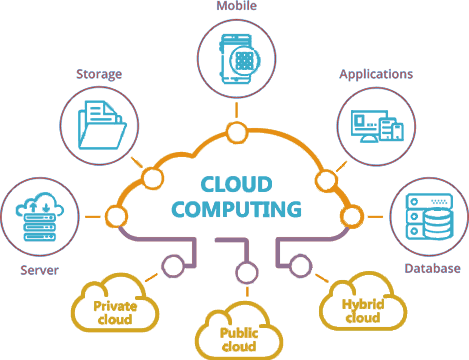
Before diving into professional training options, it is important to understand what virtualized hosting actually means. Traditionally, companies had to purchase expensive physical hardware, set up local data centers, and hire dedicated teams to maintain them. Today, remote hosting platforms allow organizations to rent storage, computing power, and databases over the internet on a pay-as-you-go basis.
Core Benefits of Modern Infrastructure
-
Scalability: Instantly upgrade or downgrade resources based on real-time business traffic.
-
Cost Efficiency: Eliminate the massive upfront capital expense of buying physical servers.
-
Global Reach: Deploy applications in data centers worldwide with just a few clicks.
-
Reliability and Security: Leverage advanced backup systems and automated disaster recovery protocols.
Why Choose The Core Systems for Your Tech Career?
Finding a reliable training provider in the Tricity region can be challenging with so many options available. However, The Core Systems stands out by bridging the gap between academic theory and real-world industry demands. As a leading software development and technology hub, we offer specialized programs designed for both university students and working professionals.
Our Comprehensive Training Ecosystem
-
Expert Mentorship: Learn directly from seasoned software developers and industry veterans.
-
Live Industrial Projects: Gain hands-on experience working on corporate projects across Chandigarh, Mohali, Punjab, and Haryana.
-
Diverse Tech Stack Offerings: Alongside our flagship infrastructure programs, we provide advanced training in AI, Data Science, Full-Stack Web Development (MERN and Python with AI), IoT, IIoT, Data Analytics, Embedded Systems, Python, AWS Cloud Computing, Cyber Security, and Linux.
-
Placement Assistance: Receive dedicated resume-building workshops, mock interviews, and career counseling to secure top tech roles.
Core Pillars of the Best Cloud Computing Course in Chandigarh
A well-structured curriculum is the hallmark of any top-tier technical program. When searching for the Best Cloud Computing Course in Chandigarh, you should ensure that the syllabus covers fundamental networking, deployment strategies, and security protocols.

1. Fundamentals of Virtualization and Networks
Every aspiring engineer must understand how data travels across virtual networks. This module covers basic networking concepts, virtual private clouds (VPCs), subnets, routing tables, and internet gateways.
2. Storage and Database Management
Modern systems require robust data management. Students learn how to configure scalable object storage, block storage for high-performance databases, and managed relational database services.
3. Compute Instances and Load Balancing
Learning how to launch, configure, and monitor virtual servers is a daily task for infrastructure engineers. This section teaches you how to distribute incoming traffic evenly across multiple servers using load balancers to ensure high availability.
4. Security, Identity, and Access Management
Protecting sensitive corporate data is paramount. You will learn how to set up multi-factor authentication, manage user roles, define security groups, and implement firewall rules to safeguard cloud environments.
Comparing Infrastructure Platforms: AWS vs. Alternative Environments
To give you a clear picture of what you will encounter in the industry, let us compare the major ecosystem platforms taught in professional training programs.
| Feature / Metric | Amazon Web Services (AWS) | Microsoft Azure | Google Cloud Platform (GCP) |
| Market Share | Industry leader with the largest global adoption rate. | Strong enterprise integration, especially for Windows environments. | Known for advanced data analytics and machine learning tools. |
| Learning Curve | Moderate, with extensive documentation and community support. | Accessible for those familiar with corporate Microsoft products. | Developer-friendly, with strong open-source alignment. |
| Core Focus | Comprehensive services ranging from compute to deep AI integration. | Hybrid cloud solutions and enterprise software compatibility. | Big data processing, Kubernetes, and containerization. |

The Role of Linux and Python in Infrastructure Management
You cannot master modern hosting environments without understanding foundational operating systems and scripting languages. At The Core Systems, our training approach integrates these critical skills seamlessly.
Why Linux is Essential
The vast majority of virtual servers running on global networks operate on Linux distributions. System administrators and infrastructure engineers spend a significant amount of time interacting with command-line interfaces, managing file permissions, and monitoring server health using Linux terminals.
Automating Tasks with Python
Writing scripts to automate repetitive tasks is a superpower for any tech professional. Python allows engineers to write deployment scripts, interact with remote application programming interfaces (APIs), and manage infrastructure provisioning efficiently.
Day-to-Day Responsibilities of a Cloud Professional
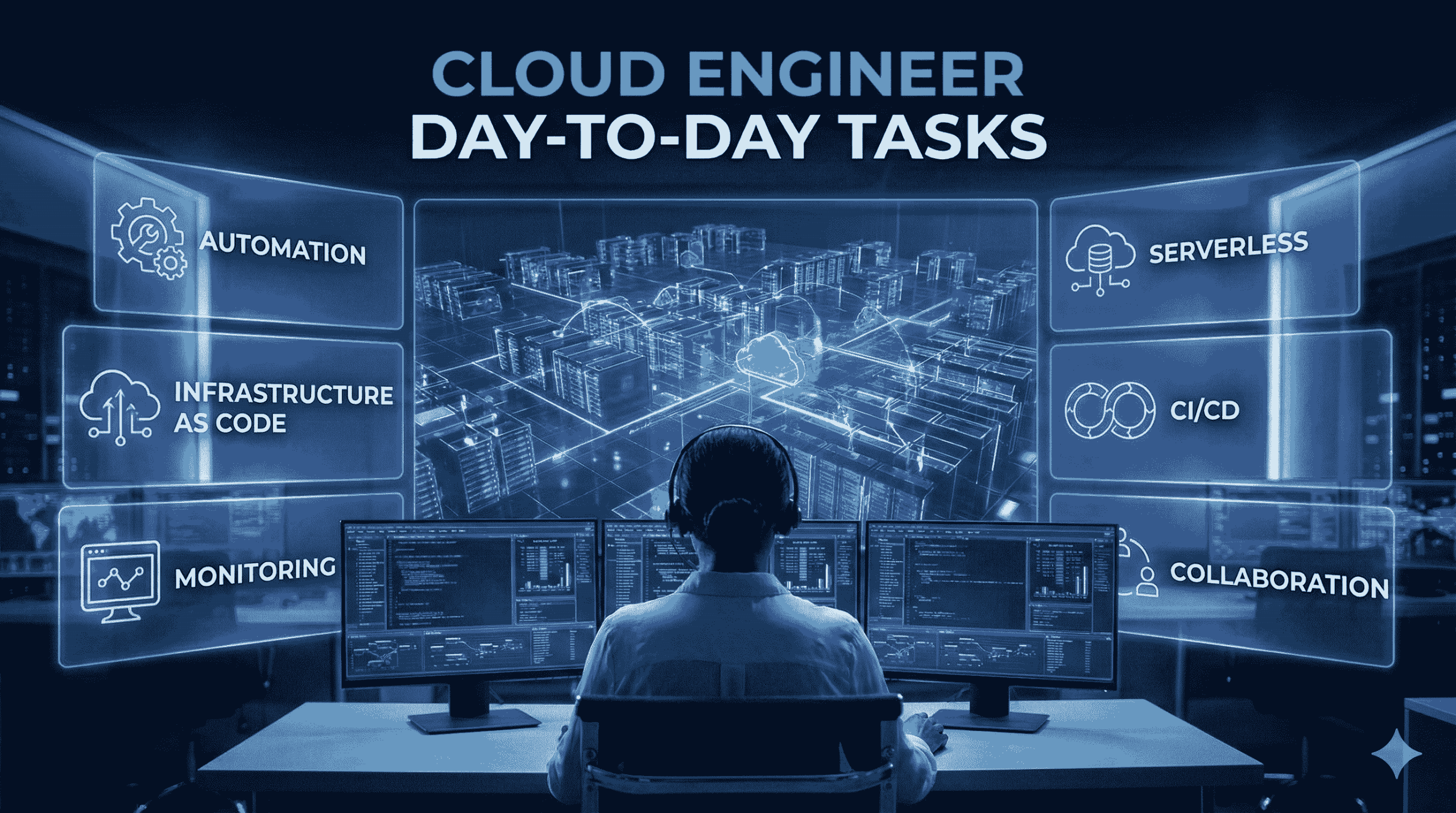
Understanding what your daily routine will look like helps set realistic expectations for your career journey. Professionals working in this domain juggle various operational and developmental tasks.
Typical Daily Tasks
-
Monitoring System Health: Checking performance dashboards to ensure application uptime and resource optimization.
-
Deploying Updates: Managing continuous integration and continuous deployment (CI/CD) pipelines to push new software updates smoothly.
-
Cost Optimization: Analyzing monthly billing statements to eliminate idle resources and reduce operational expenditures.
-
Troubleshooting Incidents: Diagnosing network latency issues, security alerts, or database connection failures.
Career Growth, Salaries, and Job Market Demand
The demand for certified infrastructure professionals has exploded across India. Tech parks in Mohali, IT hubs in Chandigarh, and industrial clusters across Punjab and Haryana are actively seeking skilled talent. For broader insights into global technology trends and employment statistics, you can review reports from [Insert link to reputable tech journal/site].
Career Progression Roadmap
-
Junior Infrastructure Support Engineer: Focuses on basic server monitoring, ticketing, and routine maintenance.
-
Cloud Administrator / Engineer: Manages deployment, security configurations, and resource scaling.
-
Solutions Architect: Designs complex, fault-tolerant enterprise systems from scratch.
-
DevOps / Cloud Consultant: Bridges the gap between software development and operations using advanced automation tools.
Frequently Asked Questions (FAQs)
What makes this program the Best Cloud Computing Course in Chandigarh?
Do I need prior coding experience to learn Cloud Computing?
What job roles can I apply for after completing a Cloud Computing Course in Chandigarh?
How does The Core Systems assist with job placements?
Can university students enroll in these training programs?
What other courses complement a background in infrastructure management?
Why is local training in Chandigarh and Mohali beneficial?
Contact Us