
Artificial intelligence (AI) has always been a prominent technology in modern software development. AI in software solutions has helped businesses analyze mass volumes of data, predict outcomes, find patterns, understand languages, solve customer support challenges, and much more.
Instead of having data saved just in local memory or on the device itself, it enables users’ devices to interface with a variety of cloud services. Users may utilize this to get crucial information even while they are not online.
Edge computing: what is it?
Using networked devices like smartphones, tablets, and other mobile devices, edge computing is a new form of distributed architecture that offers cloud-based services to companies and individuals at home or on the road. But what opportunities does edge computing provide when it comes to software development? How is edge any different from cloud computing, and most importantly, can AI & Edge transform software development? In other words, you are not required to use the cloud every time you want data. As the name suggests, processing and computation may be done at a cloud network’s edge. You may therefore access the data even if you choose not to use the cloud or a corporate network.
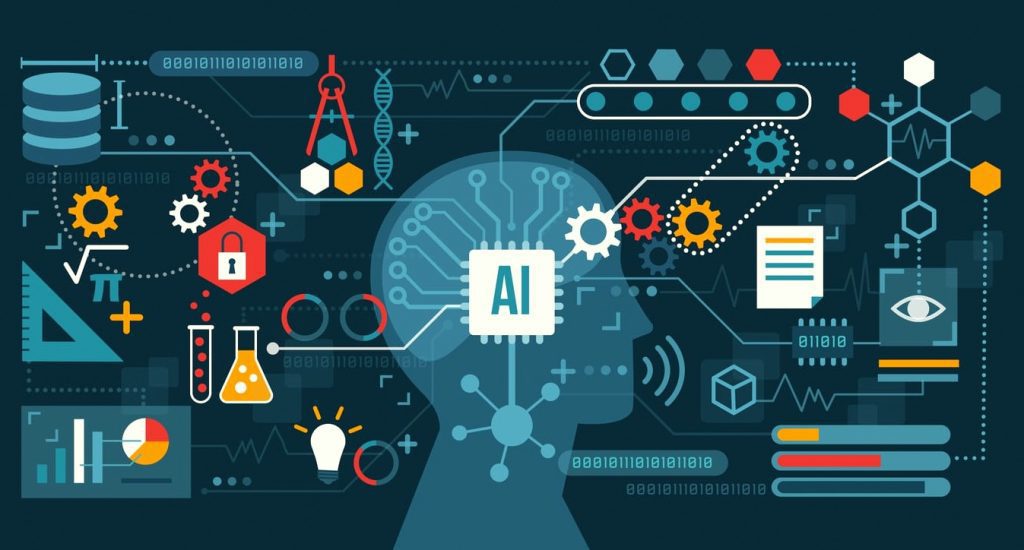
Edge computing’s importance in artificial intelligence (AI)-based software solutions
There is no question that software solutions based on artificial intelligence demand higher levels of computer power, network performance, security, and other factors than standard software solutions. Edge AI creates additional processing layers between the cloud and consumer devices, resulting in the most effective AI applications yet. Additionally, the edge can split application estimations among different processing layers, enhancing the speed of the programme.
For Artificial Intelligence (AI) software solutions to function effectively, speed and accuracy must not significantly degrade throughout the operation. For example, such intelligent programmes often need a latency of around 10 milliseconds. However, wireless connections are far slower than current cloud computing alternatives, with response times of 70 milliseconds or more. When compared to more conventional methods like utilising SOAP/REST APIs to directly access backend systems or using Web API calls, the time it takes to transport data from the edge to the cloud, or vice versa, is quite short.
It implies that it takes a lot longer for an AI software programme or mobile application to immediately retrieve data from the cloud. The potential of evolving digital technologies is limited by the current approach of routing data streams through a select number of massive data centres. Edge AI presents a whole different strategy in response. It executes algorithms locally on chips and specialised hardware as opposed to on faraway clouds and data centres.
What does this signify for IoT devices and intelligent AI systems?
A device may operate and access external connections and transfer data as necessary without always being connected to a particular network or the Internet.
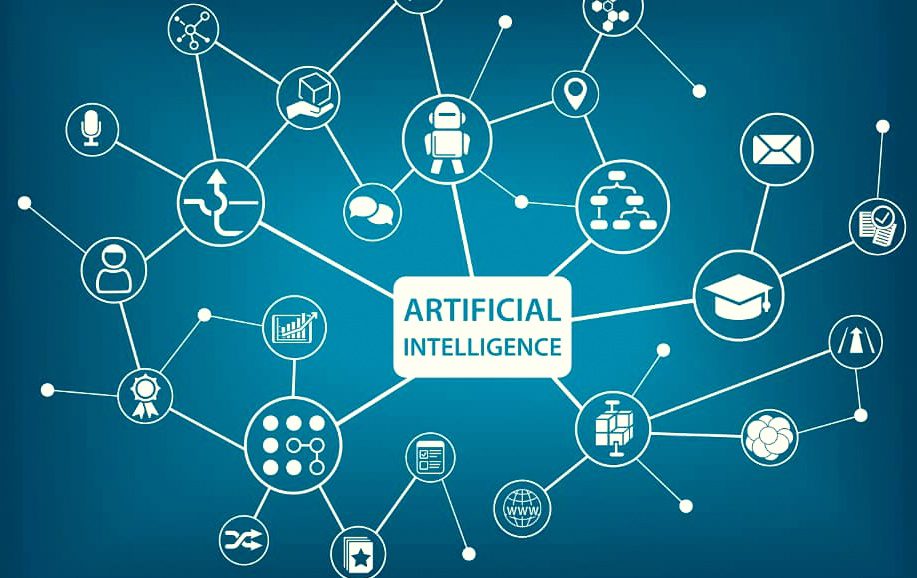
This is so that when using edge computing, the data may go directly to the end user’s device without first having to be processed. Additionally, it implies that there are no lag times between when you make a change in your mobile app and when it is reflected in your backend system. This will enable you to respond to changes in your business model or technological requirements much more swiftly, which will help you avoid issues.
Consequently, an edge computing solution has the following advantages over the cloud:
Data collection and analysis in real-time
Low Latency Interactions
Limited Energy Use
Assistance with Mobile Devices
Greater Safety
Edge computing’s advantages for artificial intelligence (AI) solutions
Other benefits of edge computing in AI systems include the following, which are some of the more important ones:
Scalability:
The edge may be increased or decreased as necessary, which lowers costs and increases efficiency.
Lower latency:
Since edge data is more protected and secure than cloud data, it will be less vulnerable to attacks.
Speeding up innovation
By establishing real-time connections with people and other machines, the edge boosts productivity and efficiency by enabling you to work more quickly.
improved security
Before it enters the cloud, the edge data is encrypted to safeguard your data from intruders.
improved performance
On a person or machine level, quicker processing translates into quicker reaction times and higher throughputs, which improves overall performance for customers or end users!
Frequently asked questions about artificial intelligence and the edge
What is a solution that demonstrates the utilisation of edge computing?
In response, edge computing uses resources at the network edge, considerably closer to the data source, to eliminate recurring data processing from the cloud. As a result, it is utilised in many contemporary solutions, such as:
autonomous automobiles
Remote asset monitoring for the oil and gas sector
a smart grid
preventing future problems
hospitalised patient observation
5G and virtualized radio networks (vRAN)
Online gaming
delivery of content
traffic control
Adaptive homes
Conclusion
You must make sure that any Artificial Intelligence (AI) solution your company uses operates well. We at The Core Systems can work with you to develop cutting-edge AI solutions using edge computing technology. For companies in a variety of sectors, we also provide AI chatbot creation services. Our testing services guarantee that your chatbot or AI apps will function well in a variety of situations. Do you want to develop a new AI application for your company or are you ready to upgrade your current AI solution with edge computing? Then contact The Core Systems specialists right now to arrange a FREE consultation.
Contact Details: